

Food security in Kenya is no longer just a policy discussion—it is a daily reality affecting households across urban and rural communities. Rising food prices, unpredictable weather patterns, and supply disruptions are making it increasingly difficult for families to access consistent, nutritious meals. The most reliable solution, however, begins at the household level.
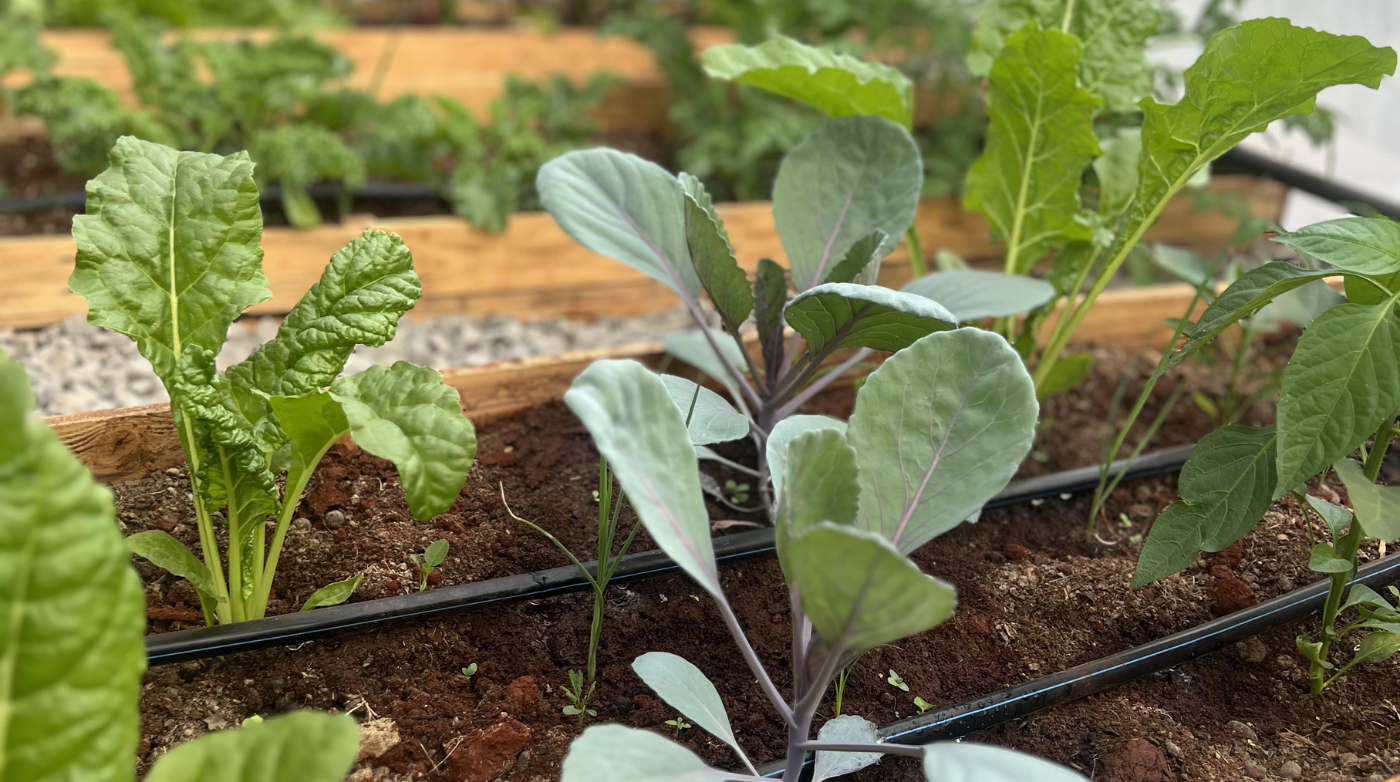
Home and community farming offer a direct path to food independence. Whether it is sukuma wiki grown in a backyard, herbs in recycled containers, or vegetables in sack gardens, even small-scale efforts can significantly improve access to fresh, chemical-free food. These methods are especially powerful in peri-urban areas where space is limited but creativity is abundant.
Nutrition must remain central to the conversation. Many diets are filling but lack essential nutrients. A steady intake of leafy greens, legumes, fruits, and diverse vegetables strengthens immunity, supports energy levels, and improves long-term health outcomes. When families grow their own food, they naturally prioritize diversity and freshness.
Food security also restores dignity and control. Instead of relying entirely on fluctuating market prices, households gain stability and confidence. Communities that embrace local food production are more resilient to economic and environmental shocks.
Ultimately, food is not just a commodity—it is a resource that connects us to the land. By cultivating even a small portion of what we eat, we reclaim both nourishment and independence. The shift begins with a simple step: planting something today that feeds tomorrow.
