
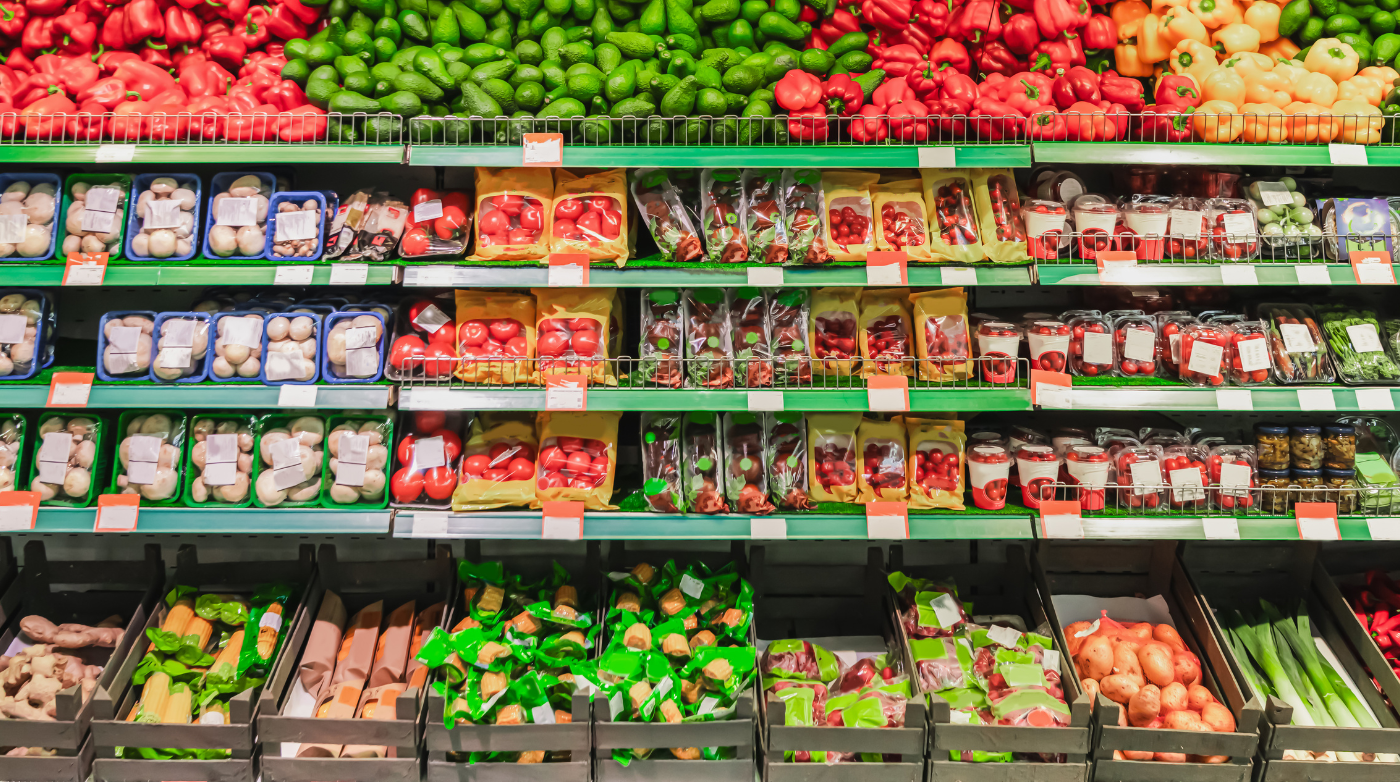
Across Kenya, local markets remain essential for accessing food. However, complete dependence on these markets exposes households to price volatility, inconsistent supply, and varying quality. Food independence offers a practical and empowering alternative.
Food independence does not require large-scale farming. It starts with producing even a small portion of household consumption. Urban farming methods such as vertical gardens, sack farming, and container planting allow families to grow vegetables in limited spaces. These approaches are cost-effective and adaptable to city environments.
Kenya’s agricultural heritage provides a strong foundation. Indigenous crops like amaranth (terere), millet, sorghum, and arrowroots are resilient, nutrient-dense, and suited to local climates. Reintroducing these foods into daily diets improves both nutrition and sustainability.
A key advantage of food independence is improved dietary quality. Households that grow food tend to consume more fresh vegetables and reduce reliance on processed items. This shift supports better health outcomes, including improved digestion, energy, and immune strength.
Food independence also strengthens local economies. When communities produce and exchange food locally, they reduce dependence on external systems and keep resources circulating within the community.
This is not about eliminating markets—it is about balance. By combining local production with market access, households build resilience and stability. Food independence transforms vulnerability into strength, ensuring that families are better prepared for economic and environmental changes.
