
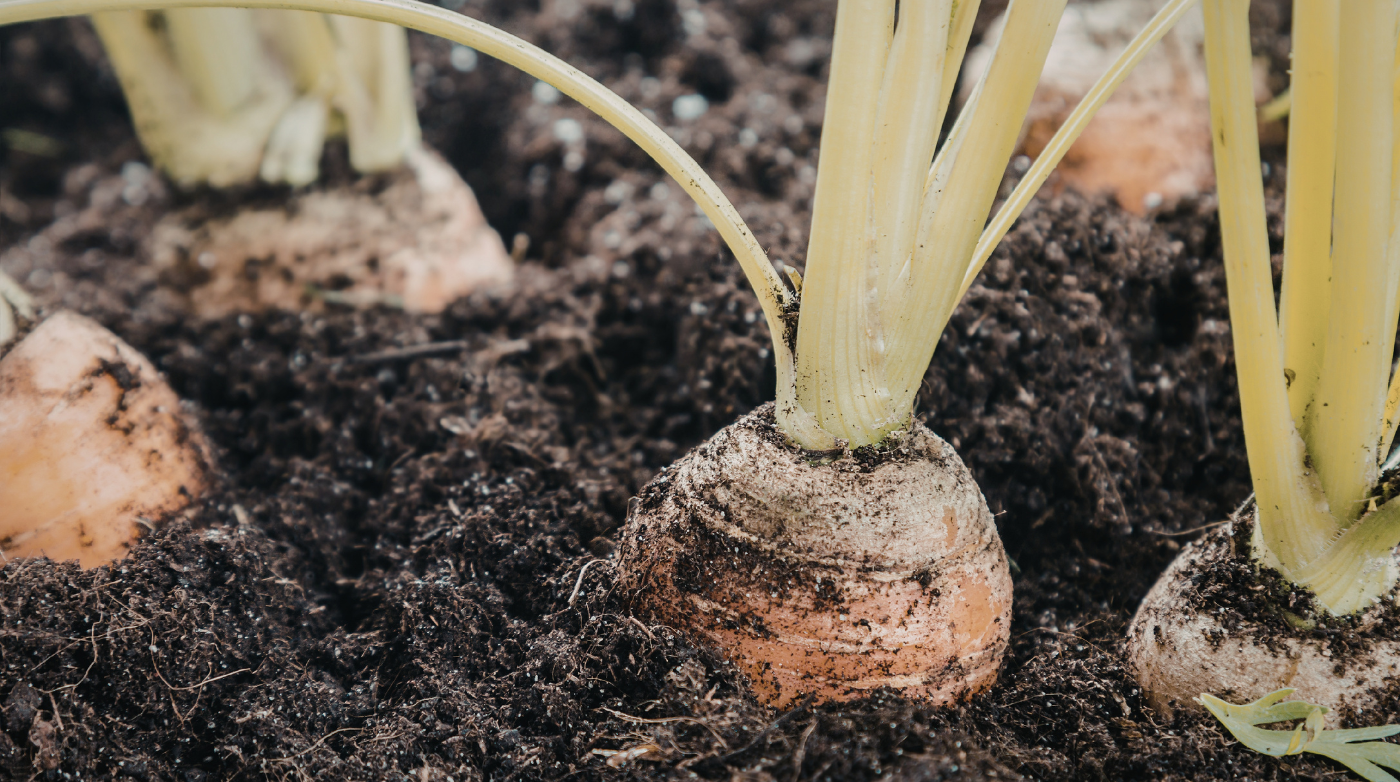
The journey to clean, nutritious food begins beneath our feet. Soil health is one of the most overlooked yet critical components of Kenya’s agricultural system. When soil is degraded, the food grown in it lacks the nutrients needed to support human health.
Years of chemical overuse, monocropping, and poor land management have led to declining soil fertility in many regions. This not only reduces crop yields but also affects the nutritional value of food. Healthy soil, by contrast, is rich in microorganisms that support plant growth and nutrient absorption.
Organic farming practices offer a solution. Composting, crop rotation, mulching, and natural pest control help restore soil structure and fertility. These methods reduce dependence on synthetic inputs while improving long-term productivity.
Clean food is directly linked to soil quality. Crops grown in healthy soil contain higher levels of essential nutrients, making them more beneficial for human consumption. Additionally, reducing chemical use minimizes harmful residues in food.
Environmental protection and nutrition are interconnected. When farmers prioritize soil health, they also contribute to water conservation, biodiversity, and climate resilience.
Investing in soil is an investment in the nation’s future. By adopting sustainable practices, Kenya can build a food system that is both productive and environmentally responsible. Healthy soil does more than grow crops—it sustains life.
